Digital Payment Advances Broadening Entry to Multi-Game Wagering Hubs Around the World
Jonas Schmid · Aug 26, 2026
Digital Payment Advances Broadening Entry to Multi-Game Wagering Hubs Around the World
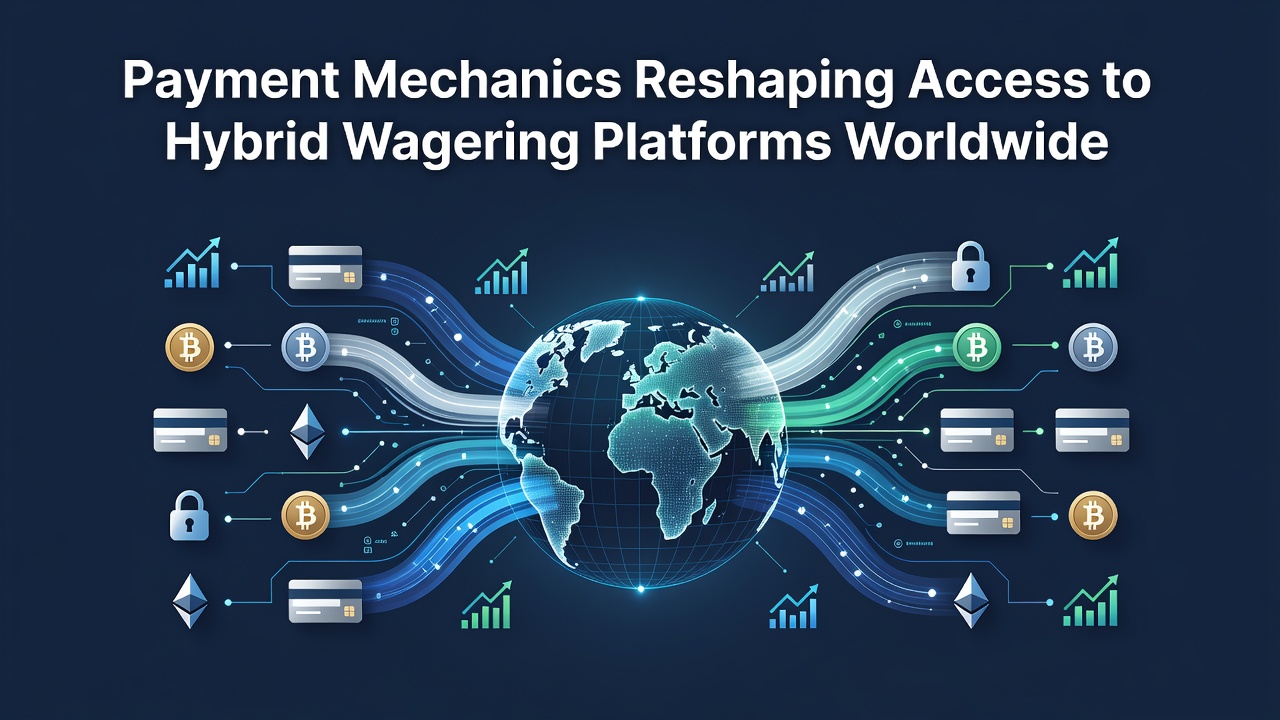
Payment systems now serve as the primary gateway for users seeking combined sports betting, casino games, and poker environments on single platforms, and data from regulatory bodies shows steady expansion in access across multiple continents since 2024. Observers note that traditional bank transfers and card processors once created friction through processing delays and regional restrictions, whereas modern integrations with digital wallets, instant bank transfers, and blockchain options have reduced onboarding times from days to minutes in many jurisdictions.
Hybrid sites combine multiple verticals, and payment mechanics determine which users can participate without hitting barriers such as currency conversion fees or verification bottlenecks. Research from industry trade groups indicates that platforms offering localized payment rails see higher retention rates, with examples including Southeast Asian markets where mobile money services like GrabPay and GCash handle the majority of deposits for integrated sites. Those who've tracked adoption patterns report that seamless fiat-to-crypto bridges further extend reach into areas where banking infrastructure remains limited.
Regional Payment Shifts and Market Data
North American operators have documented clear changes following the rollout of state-specific digital payment rules, and figures from the New Jersey Division of Gaming Enforcement reveal that platforms adopting real-time ACH transfers recorded participation increases of over 20 percent in the first half of 2026. Similar patterns appear in Canada, where iGaming Ontario data highlights how prepaid card and e-wallet options lowered entry thresholds for users previously excluded by credit card restrictions.
European markets show parallel developments driven by PSD2 open banking mandates, which enable direct account-to-account transfers without third-party processors in several member states. Industry reports from the European Gaming and Betting Association note that hybrid platforms incorporating these rails experienced reduced chargeback rates and faster bonus unlocking compared with legacy methods. In Asia-Pacific regions, regulatory updates in Australia and Singapore have encouraged operators to integrate local instant payment networks, allowing same-day settlement across sportsbooks and table games within unified accounts.
Technology Integration and User Access Patterns
Automated verification systems paired with payment gateways now handle identity checks during the deposit process itself, and experts at research institutions have observed that this reduces drop-off during signup. Platforms that embed biometric authentication with wallet services report quicker progression from registration to active play across poker rooms and live dealer sections. What's interesting is how these mechanics also support tiered loyalty programs, where deposit frequency and volume automatically feed into reward calculations without manual intervention.
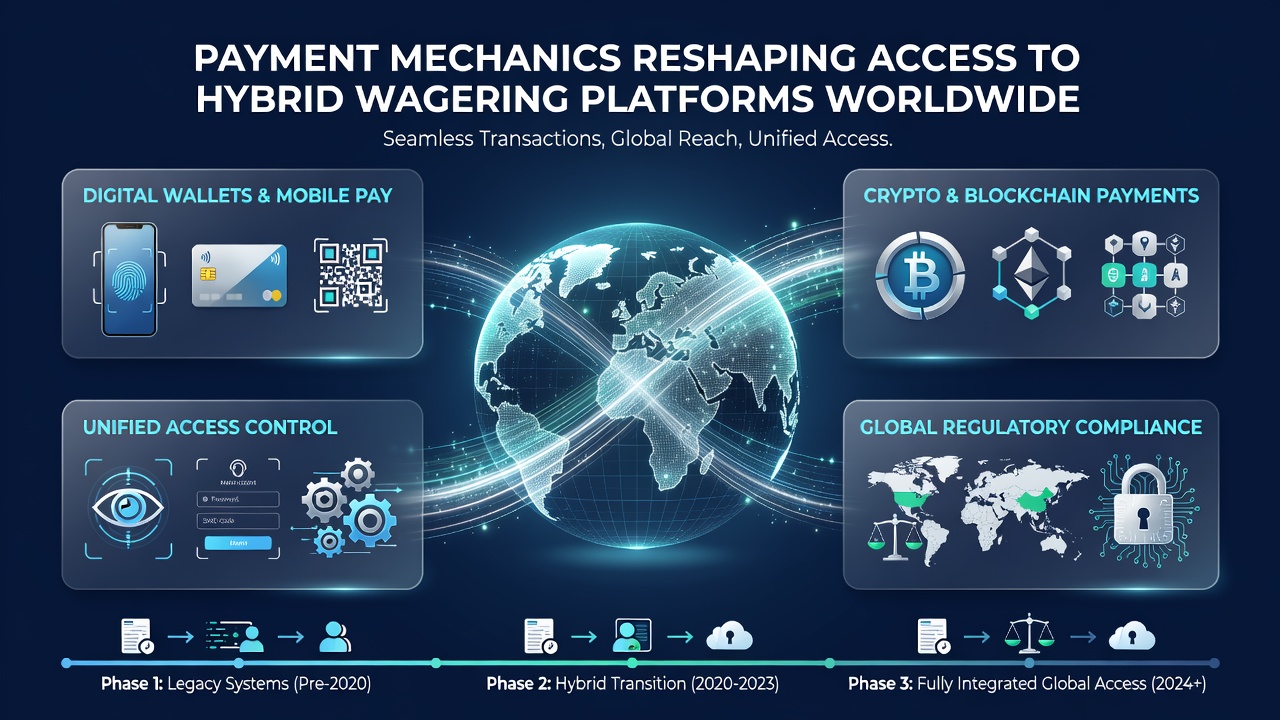
August 2026 brought further clarity when several major processors announced expanded coverage for emerging markets in Latin America and Africa, and those monitoring transaction volumes found corresponding spikes in cross-border activity on hybrid sites. Blockchain-based settlement layers allow operators to offer stablecoin options alongside local currencies, which cuts volatility risks for users while maintaining compliance through audited on-ramps. Observers note that such dual-track systems prove especially effective in regions with fluctuating exchange controls, where traditional rails often stall mid-transaction.
Security Standards and Compliance Frameworks
Payment service providers must meet elevated encryption and anti-money laundering requirements when connecting to hybrid platforms, and studies from academic centers focused on gambling regulation indicate that these standards correlate with broader user trust metrics. Multi-factor approval flows for larger withdrawals appear across most leading sites, yet the same systems permit small-stakes deposits to complete instantly. Data shows that platforms balancing speed with verification layers maintain lower dispute volumes over time.
Global operators increasingly rely on unified payment orchestration layers that route transactions through the most efficient channel based on user location and method, and this approach minimizes failed attempts that previously blocked access. Trade association analyses confirm that such orchestration reduces operational costs while expanding the addressable audience for combined sports, casino, and poker offerings.
Conclusion
Payment mechanics continue to determine the practical reach of hybrid wagering platforms on a worldwide scale, with documented growth tied to faster, more localized, and better-secured transaction options. Regulatory updates and technology integrations across North America, Europe, and Asia-Pacific regions demonstrate measurable effects on participation numbers and transaction success rates through 2026. Those following these developments recognize that ongoing refinements in digital payment infrastructure will shape future access patterns across integrated betting environments.