Mapping Regulatory Shifts for Live Table Games Across European Jurisdictions
Petra Frank · Aug 26, 2026
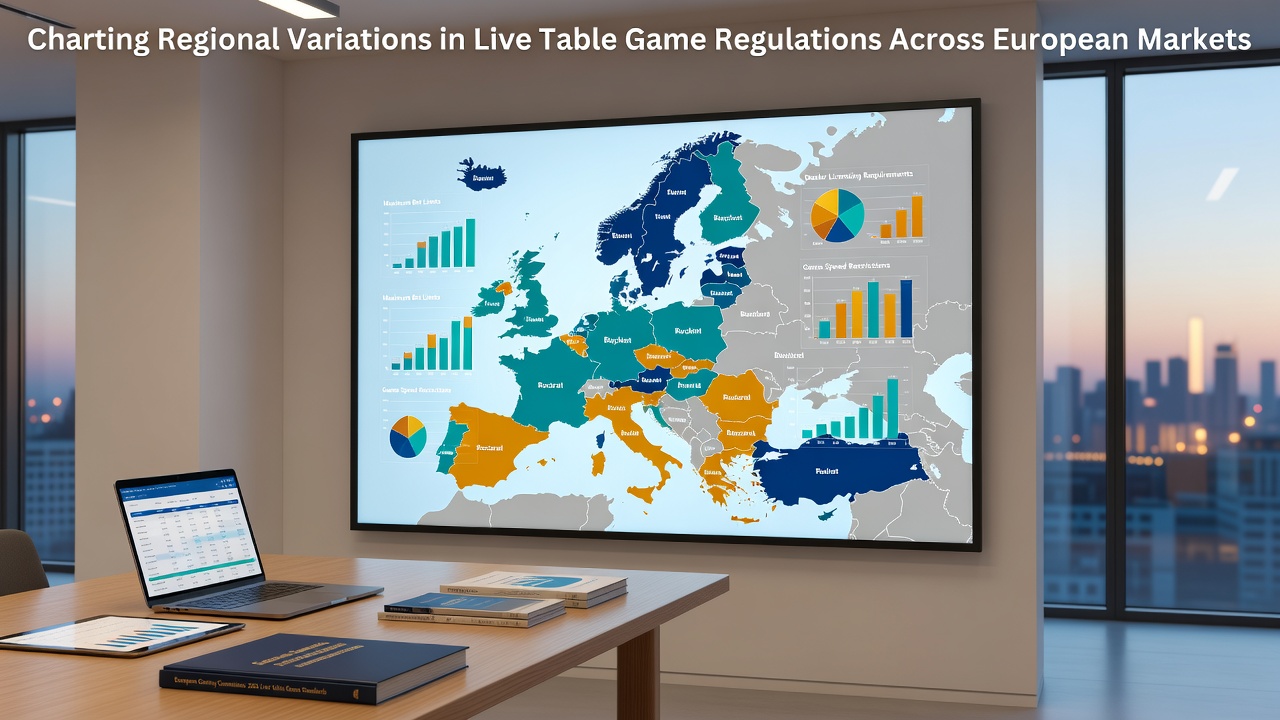
Mapping Regulatory Shifts for Live Table Games Across European Jurisdictions
European markets present a patchwork of rules governing live table games such as blackjack, roulette, and poker, with each jurisdiction balancing consumer protection against operator flexibility, and observers note that these differences have grown more pronounced by August 2026 as national authorities refine their approaches following earlier harmonization efforts at the EU level.
Data from industry reports shows that licensing requirements, game certification standards, and player identification protocols vary significantly between southern, central, and northern regions, while operators must navigate these layers to maintain compliance across multiple markets.
Southern Europe Sets Distinct Standards
Malta continues to serve as a primary hub for live dealer operations, where the Malta Gaming Authority enforces strict technical standards for game integrity and real-time monitoring systems, and these rules require operators to maintain dedicated studios with independent auditing processes that track every shuffle and deal, whereas Spain and Italy impose additional regional taxes on table game revenues alongside national licensing that emphasizes responsible gambling tools integrated directly into live streams.
Those who've examined the frameworks note that Portugal and Greece have introduced updated player verification timelines in 2026, requiring identity checks within shorter windows than neighboring countries, which creates operational differences for platforms offering cross-border live tables, and this variation stems from local interpretations of the EU's anti-money laundering directives rather than uniform application.
Central and Western Markets Emphasize Oversight
Germany's regulatory landscape, shaped by the Interstate Treaty on Gambling, mandates that live table games operate under state-controlled monopolies in certain categories, while licensed private operators face caps on table limits and mandatory pauses between rounds to address addiction concerns, and data indicates these measures differ from the more flexible certification processes found in the Netherlands where the Kansspelautoriteit focuses on real-time risk monitoring without fixed round intervals.
France and Belgium add further layers through centralized game approval bodies that review software and dealer protocols separately from licensing, creating longer approval cycles compared to other regions, yet these approaches have produced measurable declines in unauthorized table game participation according to reports from the European Gaming and Betting Association.
Northern and Eastern Variations Emerge
Sweden and Denmark maintain rigorous licensing through their respective authorities, with live table regulations requiring transparent RNG fallbacks for hybrid games and ongoing dealer training certifications that exceed minimum EU thresholds, whereas Finland's state monopoly model restricts private live offerings to specific venues only, and this contrast becomes evident when comparing participation statistics across the Nordic region.
Eastern European markets including Poland and Romania have expanded live table licensing in recent years, introducing local studio requirements that prioritize tax collection through integrated reporting systems, while Czech authorities have aligned more closely with western standards by August 2026 following updates to their gaming act that emphasize cross-border cooperation on player exclusion lists.
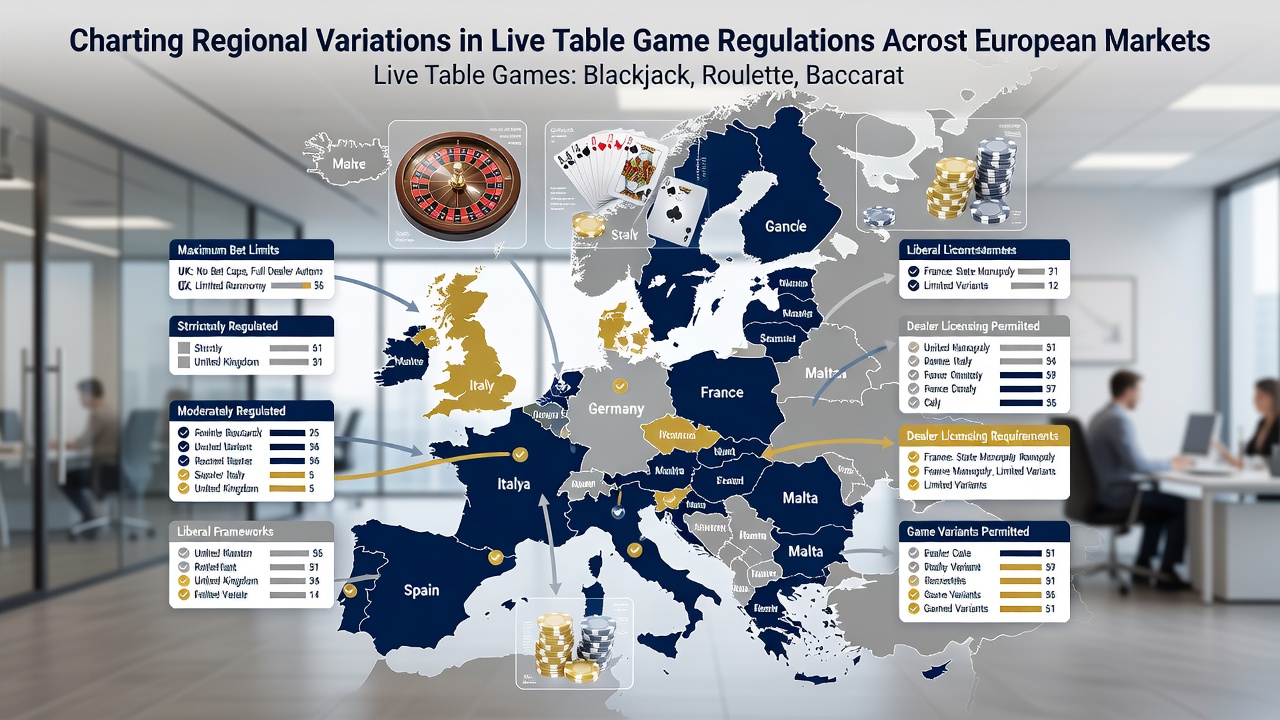
Researchers at institutions tracking gambling policy have documented how these eastern expansions often incorporate elements from both northern oversight models and southern certification processes, resulting in hybrid frameworks that operators must adapt to when entering new markets.
Operator Adaptations and Market Outcomes
Companies operating across multiple jurisdictions invest in modular compliance platforms that adjust game parameters based on location, such as altering bet limits or adding jurisdiction-specific responsible gambling overlays, and evidence suggests these adaptations have supported steady growth in regulated live table revenues despite the regulatory fragmentation.
Industry analyses reveal that markets with clearer, streamlined rules tend to attract more international live dealer traffic, while regions with layered approvals see slower rollout of new table variants, and this pattern holds as of mid-2026 when several operators reported shifting resources toward jurisdictions offering faster certification for established game formats.
Conclusion
Regional differences in live table game regulations continue to define the European market structure, with southern hubs prioritizing technical integrity, central zones focusing on consumption controls, and northern and eastern areas blending monopoly elements with expanded licensing, and these variations require ongoing attention from operators and regulators alike as policies evolve in response to technological and consumer shifts.