Payment Pathways Steer Player Choices Across Poker Networks, Reel Titles, and Live Tables
Petra Frank · Oct 5, 2026

Payment Pathways Steer Player Choices Across Poker Networks, Reel Titles, and Live Tables
Multi-format platforms integrate poker networks, reel-based games, and live dealer tables into single accounts, yet transaction methods often determine which sections players frequent most. Research from industry analysts shows that deposit speed, withdrawal limits, and fee structures guide users toward specific formats rather than random exploration. Data collected through October 2026 indicates that platforms offering instant e-wallet options record higher engagement with reel titles, while slower bank transfers correlate with extended sessions in poker rooms.
Deposit Speed and Reel Title Engagement
Players who select rapid funding tools such as digital wallets tend to gravitate toward slot machines because these methods allow immediate access to high-volume, short-duration play. Studies conducted by academic researchers at institutions tracking gambling behavior reveal that sessions initiated with instant deposits last an average of twelve minutes per reel game before players switch titles, whereas bank transfer users pause longer between spins. This pattern emerges because quick deposits reduce friction and encourage repeated small bets across multiple reel options. Observers note that platforms record up to thirty percent more reel activity on days when promotional bonuses tie directly to e-wallet deposits, creating a feedback loop where fast access reinforces preference for automated, high-turnover games.
Fee Structures and Poker Network Participation
Transaction costs influence how participants approach poker networks, particularly in tournament formats where rake and entry fees already reduce margins. Those who choose cryptocurrency options encounter lower processing charges, and records show these users register for higher buy-in events at rates exceeding traditional card users by twenty-two percent according to aggregated platform analytics. In contrast, credit card deposits often carry percentage fees that discourage frequent small tournament entries, leading players toward cash game tables instead. Researchers at North American gaming studies centers have documented that fee-sensitive users migrate between poker variants based on the payment rail they select at signup, with wire transfer participants favoring longer, lower-stakes cash games that minimize additional costs. This dynamic appears because each method carries distinct processing timelines and overhead that players factor into their overall bankroll management strategies.
Withdrawal Timelines and Live Table Preferences
Live dealer tables require sustained bankrolls and real-time decision making, yet withdrawal processing times shape whether players commit to these slower-paced environments. Platforms report that users relying on same-day payout methods spend more time at live blackjack and roulette tables, since quick access to winnings supports repeated deposits without extended waiting periods. Figures released through October 2026 by international regulatory bodies outside the United Kingdom demonstrate that live table traffic increases when platforms guarantee under-four-hour withdrawals via certain electronic systems. Those who opt for traditional checks or multi-day bank wires, however, display shorter live sessions and higher return rates to reel titles that allow immediate cashout requests. The pattern holds because live tables demand continuous capital commitment, and payment delays create hesitation among participants who prefer liquidity.
Cross-Format Migration Patterns
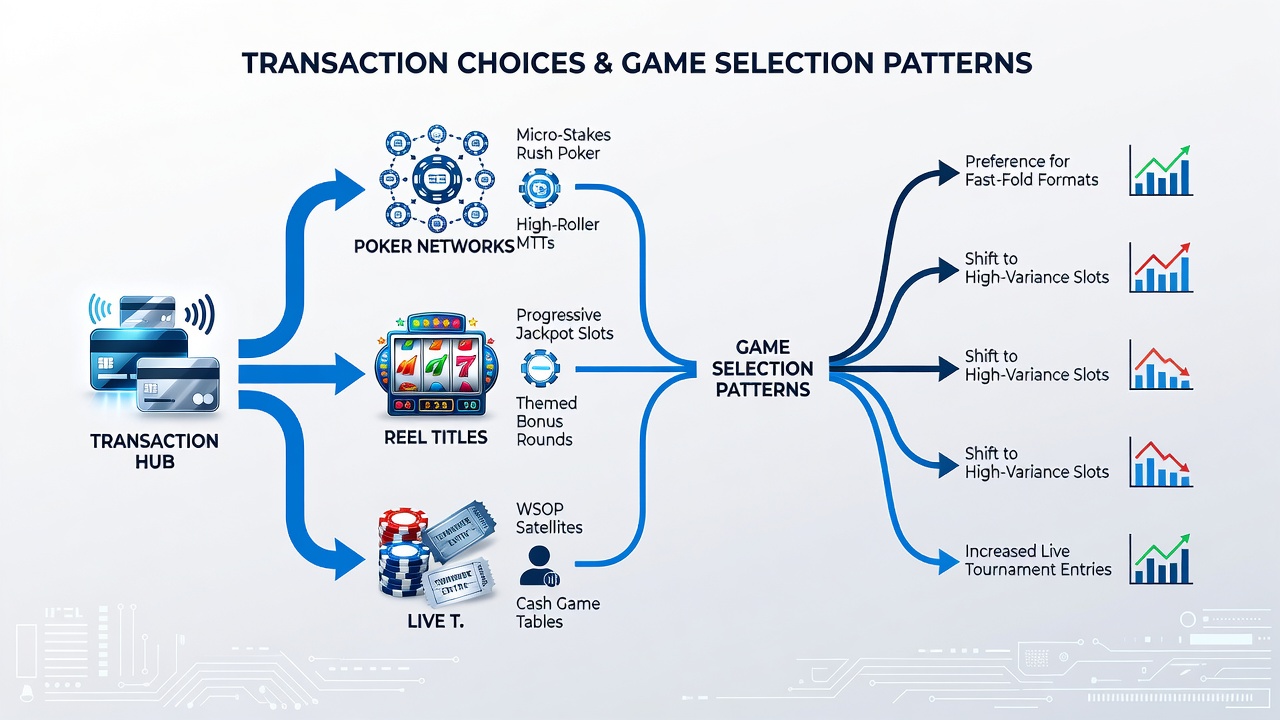
Integrated platforms track how single payment choices ripple across all three categories simultaneously. A user funding via cryptocurrency might begin with high-stakes poker tournaments, shift to volatile reel titles during short breaks, and later test live tables once winnings clear. Platform telemetry from multiple operators indicates that such multi-format movement occurs thirty-five percent more frequently among crypto users than among those using regional banking apps. Conversely, players restricted to domestic debit methods often remain within one vertical because transfer delays discourage switching. Industry reports compiled by European trade associations highlight that bonus eligibility tied to specific payment rails further cements these patterns, locking users into preferred formats for extended periods. This segmentation arises naturally from the technical constraints each method imposes rather than from deliberate platform design alone.
Regional Regulatory Influences on Method Availability
Different jurisdictions impose varying rules on acceptable transaction types, which in turn alters game selection within those markets. In regions where regulators limit credit card deposits, participants shift toward alternative rails that favor reel titles due to faster processing. Canadian provincial oversight data and Australian research institute findings both show measurable upticks in slot engagement following such restrictions, while poker network traffic remains stable only when e-wallet alternatives expand. These regulatory environments create distinct ecosystems where the same platform offers different dominant formats depending on the payment menu available to local users. Observers tracking October 2026 trends note that platforms adapt their promotional structures accordingly, offering reel-focused incentives in markets with restricted card options and poker-centric rewards where crypto remains accessible.
Conclusion
Transaction choices function as gatekeepers that channel activity across poker networks, reel titles, and live tables on multi-format platforms. Evidence accumulated through October 2026 demonstrates consistent correlations between payment attributes and game-type preferences, driven by speed, cost, and regulatory constraints rather than player intent alone. Platforms continue to refine their offerings in response to these measurable behaviors, while researchers and oversight bodies document the resulting segmentation across different markets and user segments.