Unlocking Integrated Play: Deposit Pathways Between Poker Tournaments and Live Tables on Unified Platforms
Avery Schwarz · Sep 7, 2026
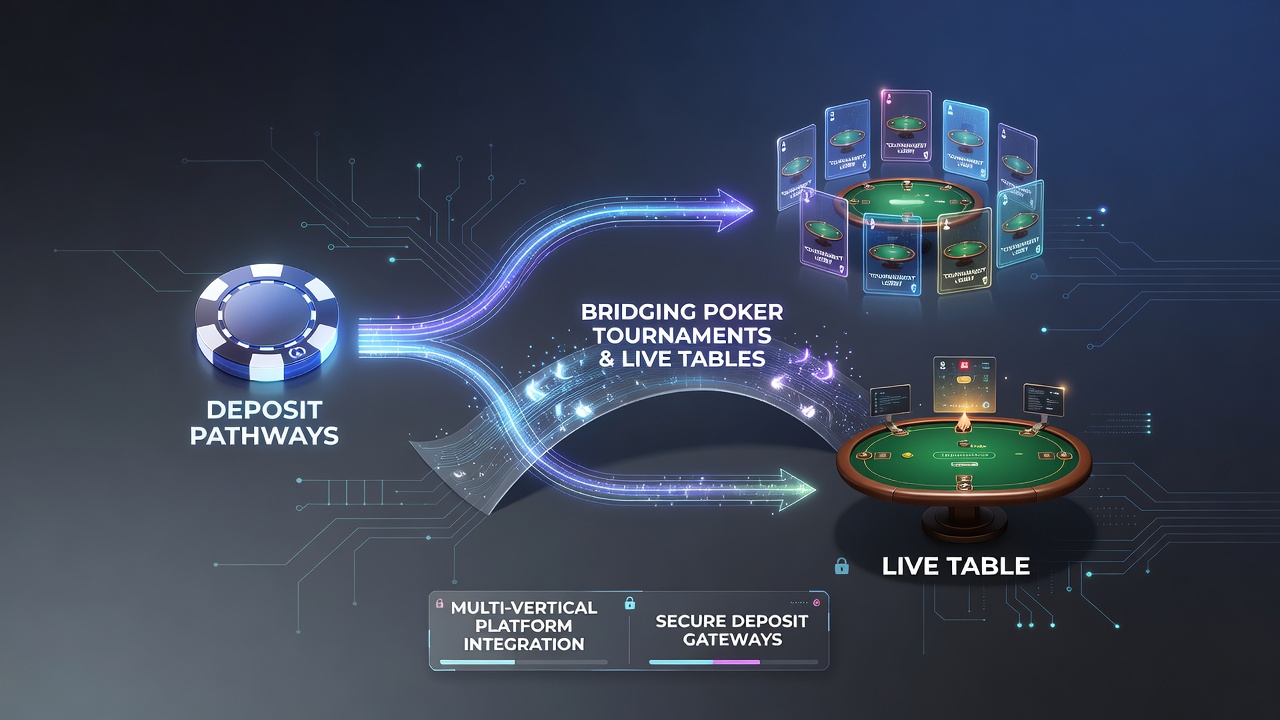
Unlocking Integrated Play: Deposit Pathways Between Poker Tournaments and Live Tables on Unified Platforms
Multi-vertical platforms combine poker rooms with live dealer tables under one account structure, and deposit pathways serve as the operational bridge that lets users move funds seamlessly between tournament registrations and real-time table play. These systems rely on unified wallets that update balances across verticals in real time, while payment processors handle verification steps that comply with regional licensing rules. Data from September 2026 shows increased adoption of such integrated setups in licensed markets across North America and parts of Europe, where operators report higher session continuity when players can fund both poker buy-ins and live table stakes from the same deposit.
Core Mechanics of Unified Wallet Systems
Operators design unified wallets so that a single deposit credits an account visible in both the poker lobby and the live casino section, eliminating the need for separate transfers. Payment gateways process incoming funds through methods such as bank wires, e-wallets, and digital currencies, then allocate the balance according to user selection at checkout. Observers note that this architecture reduces friction because the same verification layer applies whether the funds head toward a scheduled tournament or an ongoing live table session.
Platforms enforce spending limits and session timers at the wallet level, which means regulatory caps set for one vertical automatically apply when players switch to another. Research indicates that these shared controls help maintain compliance without requiring players to navigate multiple dashboards. The result appears in usage logs where players who start with a tournament deposit often continue directly into live tables once their event ends.
Payment Methods That Support Cross-Vertical Access
Bank transfers remain a primary route for larger tournament entries because they clear directly into the unified wallet and carry high daily limits suitable for multi-table events. E-wallet services integrate through APIs that push funds into the same balance used for live dealer tables, allowing instant top-ups between hands. Digital currency options process deposits via blockchain confirmations that platforms convert to platform credits, giving users flexibility when moving between poker buy-ins and live table minimums.
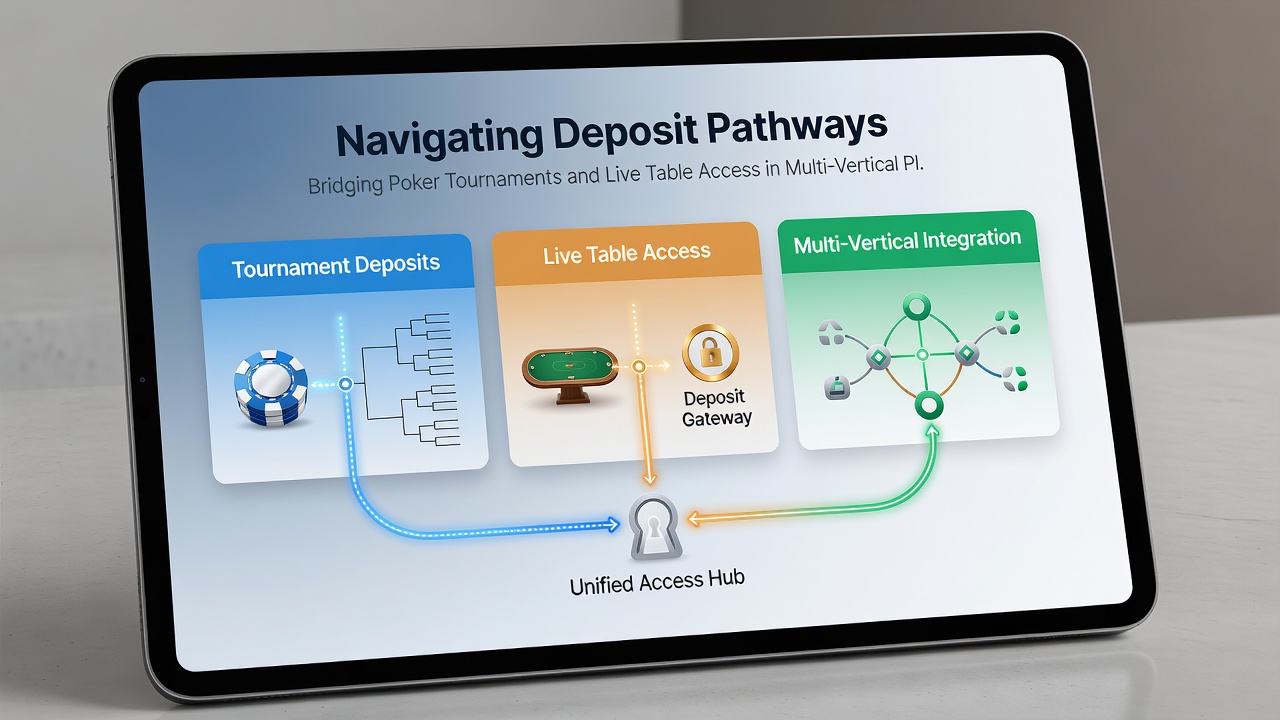
Each method carries distinct processing times and fee structures that operators disclose during deposit selection. Those who study player behavior report that faster methods such as e-wallets see higher repeat use for live table sessions, while bank transfers dominate larger tournament deposits. The choice often depends on the timing of the next event rather than the payment channel itself.
Regulatory Frameworks Across Regions
Licensing bodies in different jurisdictions set the rules that govern how deposits flow between verticals. The Nevada Gaming Control Board requires clear separation of funds until player consent merges them within an approved wallet system, while the Alcohol and Gaming Commission of Ontario mandates real-time reporting of cross-vertical transfers. These requirements shape the technical pathways operators build so that deposits remain traceable from source to final use in either poker or live tables.
Industry groups such as the European Gaming and Betting Association track how these rules evolve and publish summaries that operators reference when updating deposit interfaces. Compliance teams test each new payment integration to confirm that funds allocated for tournaments remain available for live tables without violating jurisdictional caps.
Practical Steps Players Follow
Users begin by selecting a deposit option from the unified wallet screen, entering the amount, and confirming the destination vertical if the platform offers that choice. Once the transaction clears, the balance appears across both the poker tournament lobby and the live dealer section. Players who register for a tournament see the buy-in deducted immediately, while any remaining credit stays ready for live table entry at any time.
Support documentation on most platforms outlines troubleshooting steps for failed deposits, including re-verification of payment details or switching to an alternative method. Those who monitor support ticket volumes note that most issues resolve within the same session when players follow the listed steps, preserving access to both tournament schedules and live tables.
Conclusion
Deposit pathways on multi-vertical platforms function as shared infrastructure that supports continuous play between poker tournaments and live tables. The technical and regulatory elements described above determine how funds move, how quickly balances update, and how compliance requirements are met across regions. As platforms refine these routes, the operational bridge between verticals continues to shape how players manage their activity within a single licensed environment.